How to translate recipes for family and kitchen teams
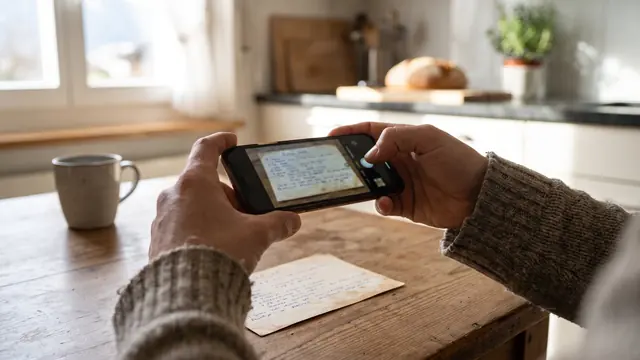
Grandma wrote in Croatian, the grandchildren read German, the brigade speaks four languages. Here is how to translate a recipe so every amount stays right and the original stays as it is.
When you need a recipe in another language
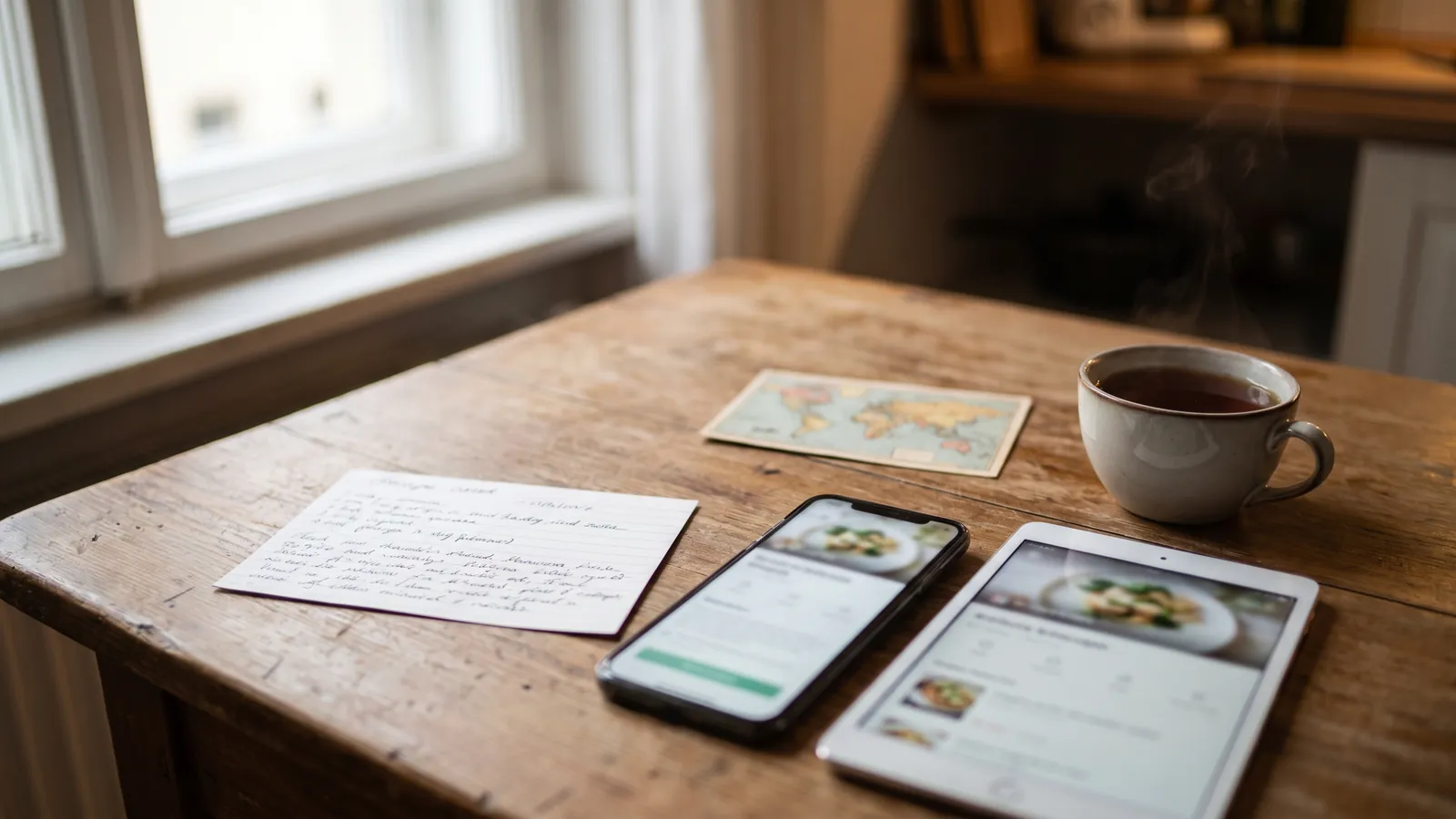
Recipes travel. Grandma’s goulash is written in Croatian, but the grandchildren in Zurich read German. A kitchen in Lausanne has cooks who speak French, Portuguese and Italian. A cousin in Canada asks for the cake in English. In all these cases the recipe needs a second language, and the original should stay as it is.
Why machine translation alone often goes wrong
A recipe isn’t ordinary text. General translation tools make typical mistakes with it:
- Amounts change: “1/2” becomes “1”, or a unit disappears.
- Steps merge or get lost: two short steps become one long sentence.
- Cooking words are translated literally: “blanch”, “fold in” or regional names of cuts end up as nonsense.
- The layout breaks: ingredient lists turn into one block of text.
How Kladde translates recipes
Kladde translates a recipe as a recipe: title, ingredients, steps and notes, each in its place. It checks that the translation has exactly as many ingredients and steps as the original and that every quantity is unchanged; if not, the translation is made again. Today Kladde translates into English, German, French, Italian and Croatian.
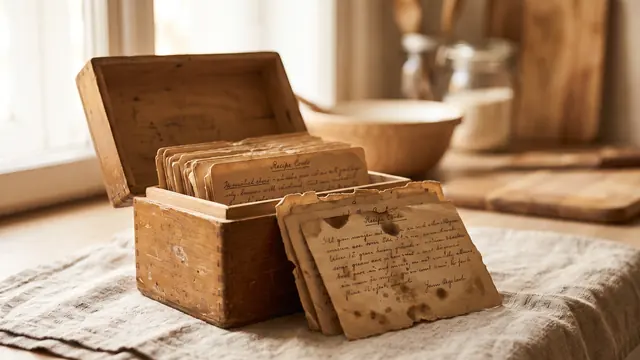
- The original stays: a translation is an extra version. You decide which language opens first, and the handwritten page stays attached.
- Marked until checked: a translation is labelled “Translated with AI” until someone who speaks the language has checked it.
- Up to date: if you change the original later, Kladde offers to translate the versions again.
- Automatic if you like: new recipes can be translated into chosen languages as soon as you have checked them.
A translation costs 1 credits per language.
Check these four things
Even a good translation deserves a look from someone who cooks:
- Units: a “cup”, “Tasse” or “šalica” is not the same everywhere. Kladde keeps the amounts as written; if needed, add grams in a note.
- Ingredients that don’t exist abroad: “Quark”, “vrhnje” or “Halbrahm” may need a note with a substitute.
- Regional dish names: often better left in the original, with a short explanation.
- Oven settings: fan or conventional, and Celsius stays Celsius.
Share it in their language
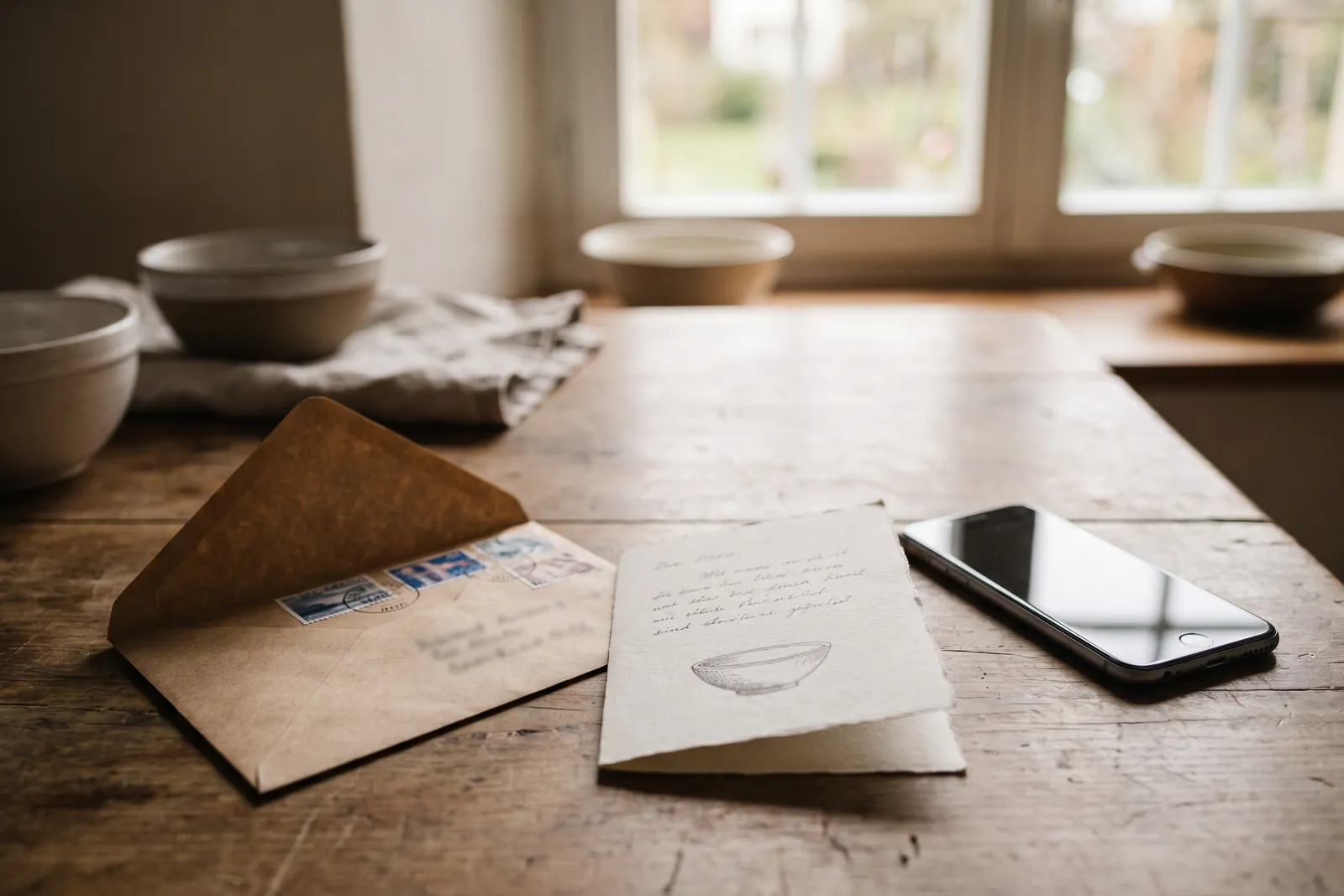
A shared recipe link opens in the visitor’s language if the recipe has that version, with a switch to the others and to the original. That way the family abroad reads the recipe in their language and still sees grandma’s handwriting. How to collect the family’s recipes in the first place is in our guide how to digitize handwritten recipes.